
Bird Photography.
I love taking photos of birds. It gets me out into nature where I can explore and find many different species. Here are some tips for taking bird photos.
Don’t worry about high ISO for now. I had someone mention that it is better to always keep low ISO. We all know that high ISO introduces noise into our images. But, the technology nowadays is pretty amazing. I am less worried about high ISO because it can be easily corrected in Lightroom.
This photo of a bald eagle was taken at ISO 1600. We were on a tiny 6 person boat in the middle of Prince William Sound on an overcast day. It was necessary to increase the ISO to allow for a faster shutter speed to freeze motion on the moving boat. I was happy with my photo to begin with but even more impressed with the ‘denoise’ function offered in Lightroom.
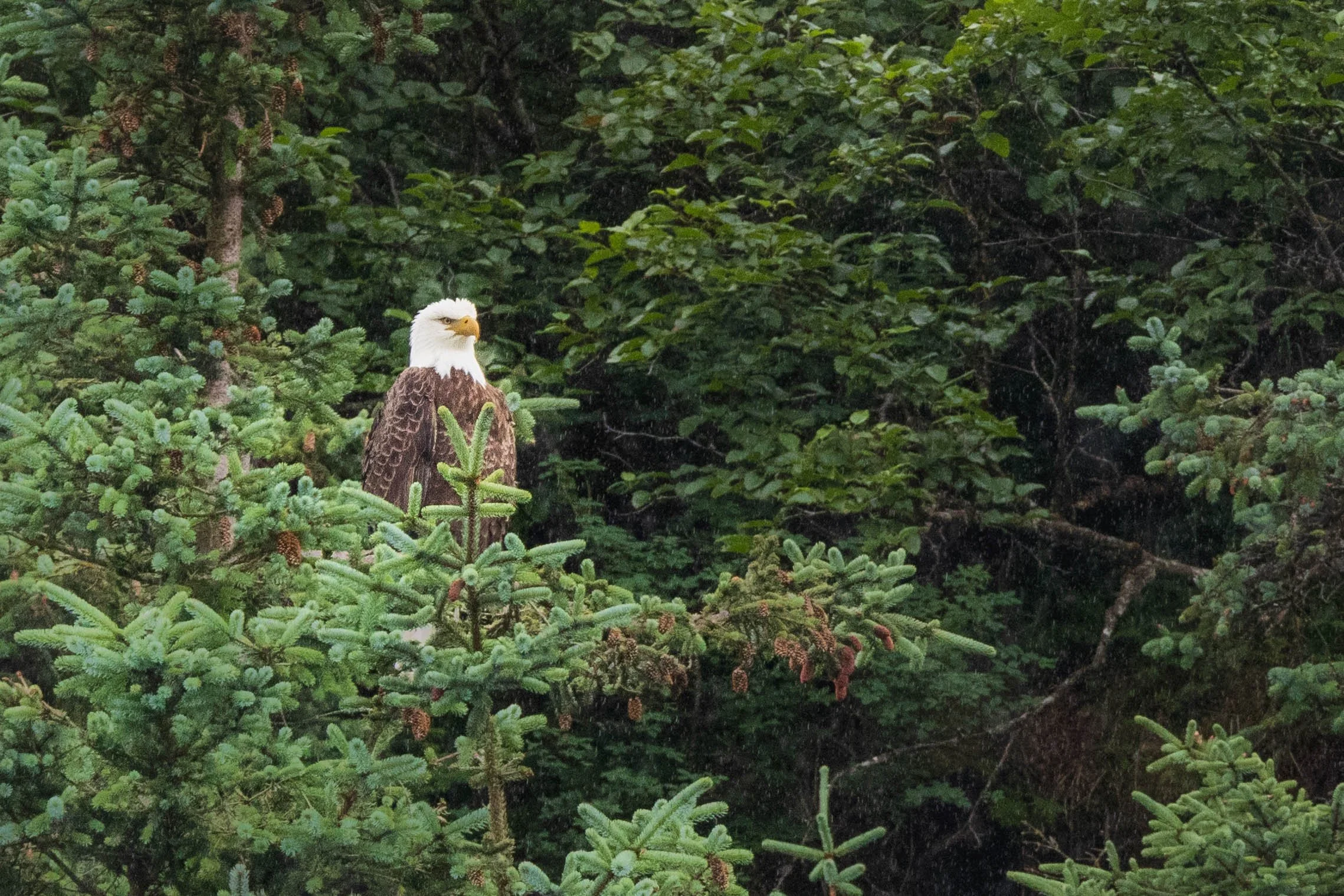
Image at ISO 1600. Noise is visible and image is grainy.
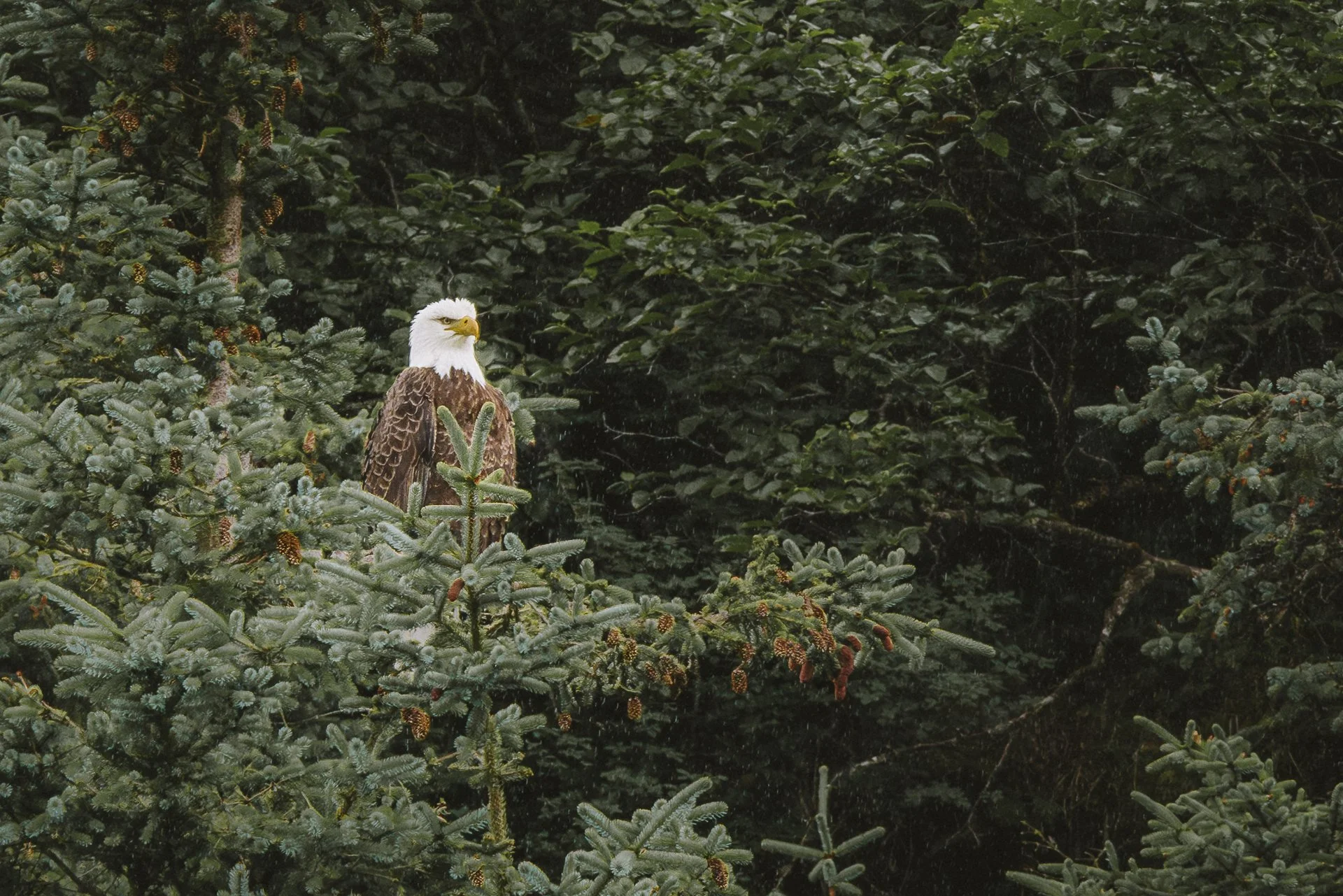
Image at ISO 1600 with denoise applied in Lightroom.
There are so many species of birds in Australia and I am lucky to live in such a vibrant part of the world. I often encounter many colourful and interesting species around my neighbourhood. These are just a few.
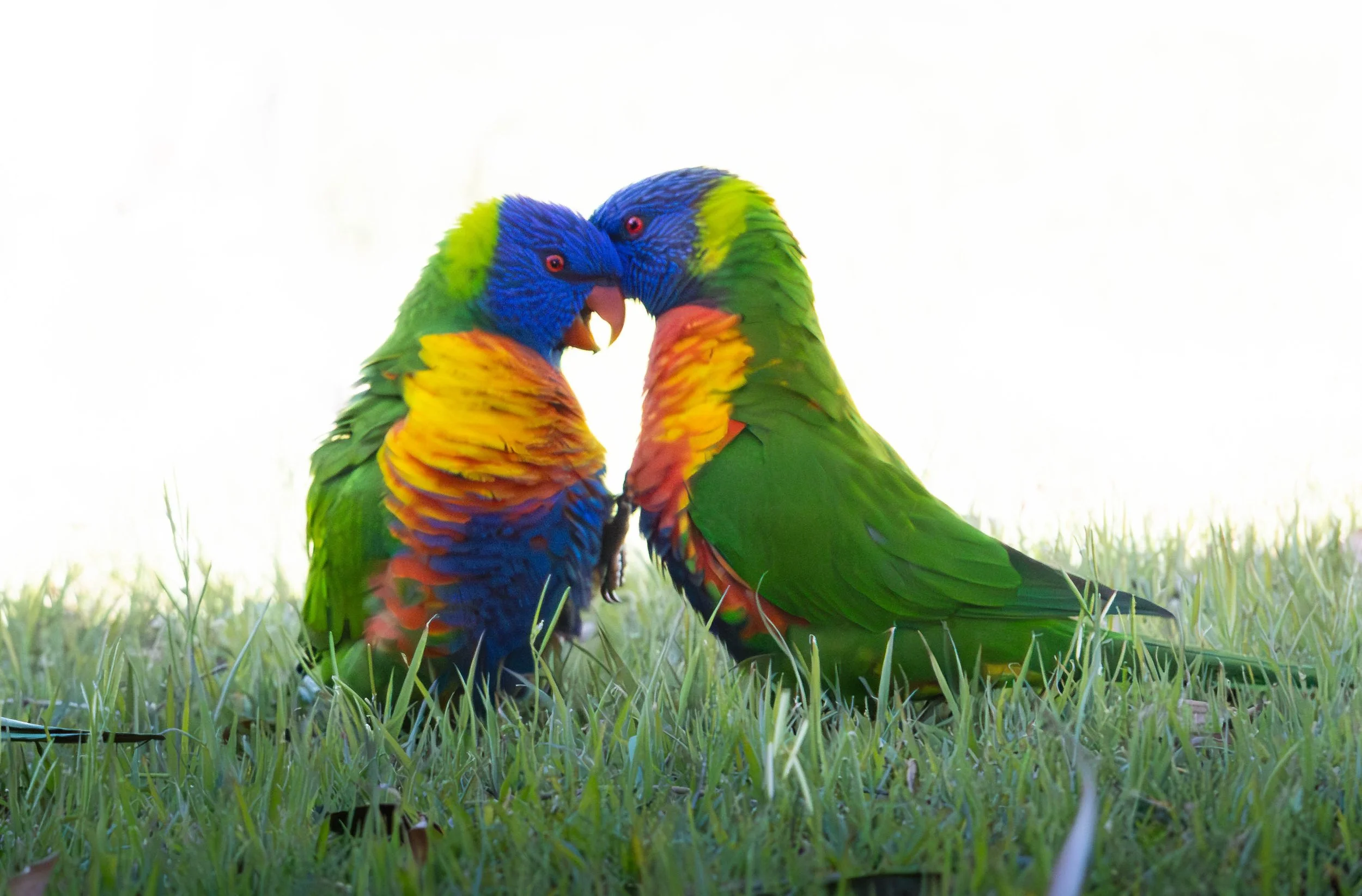
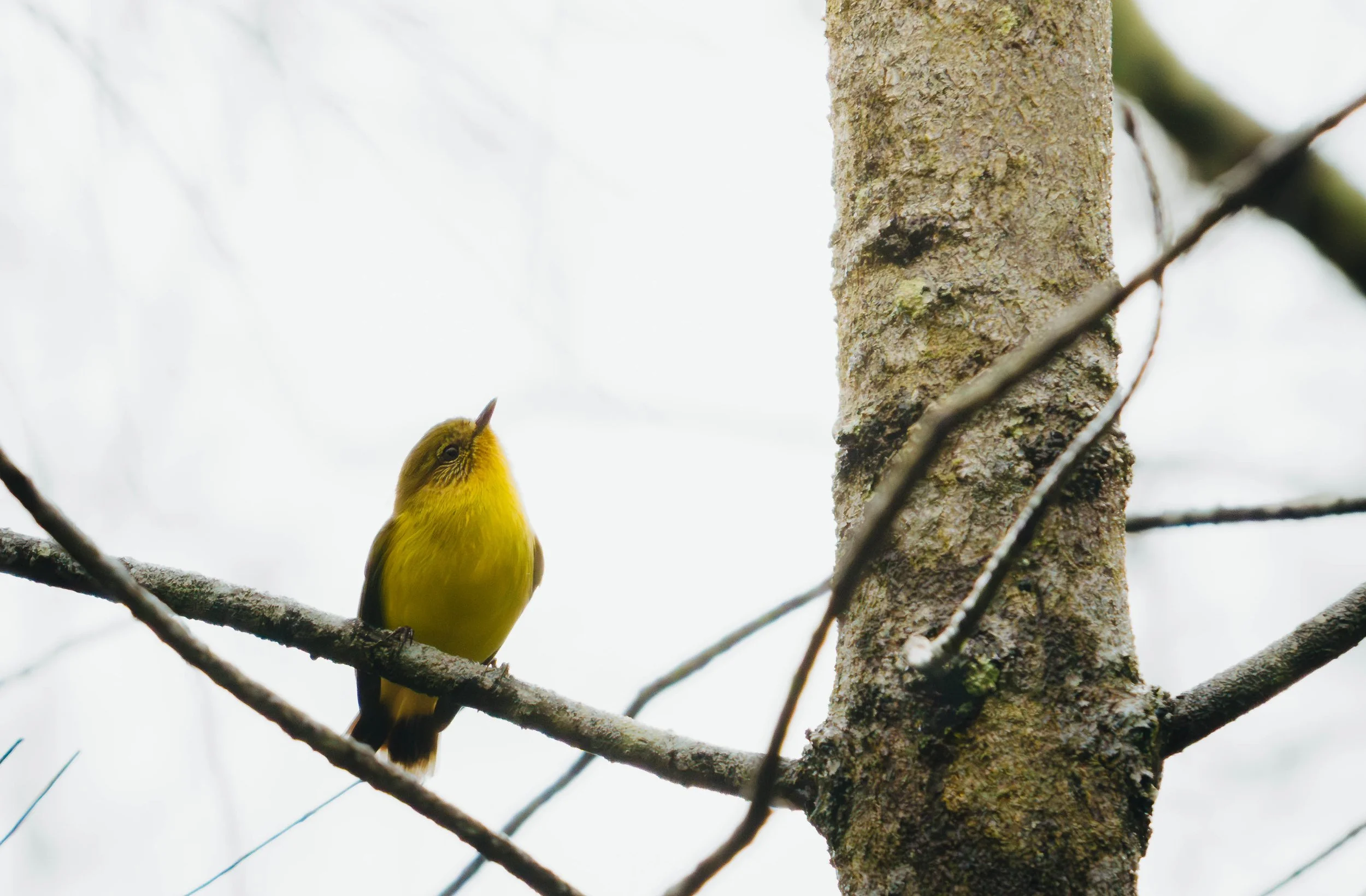
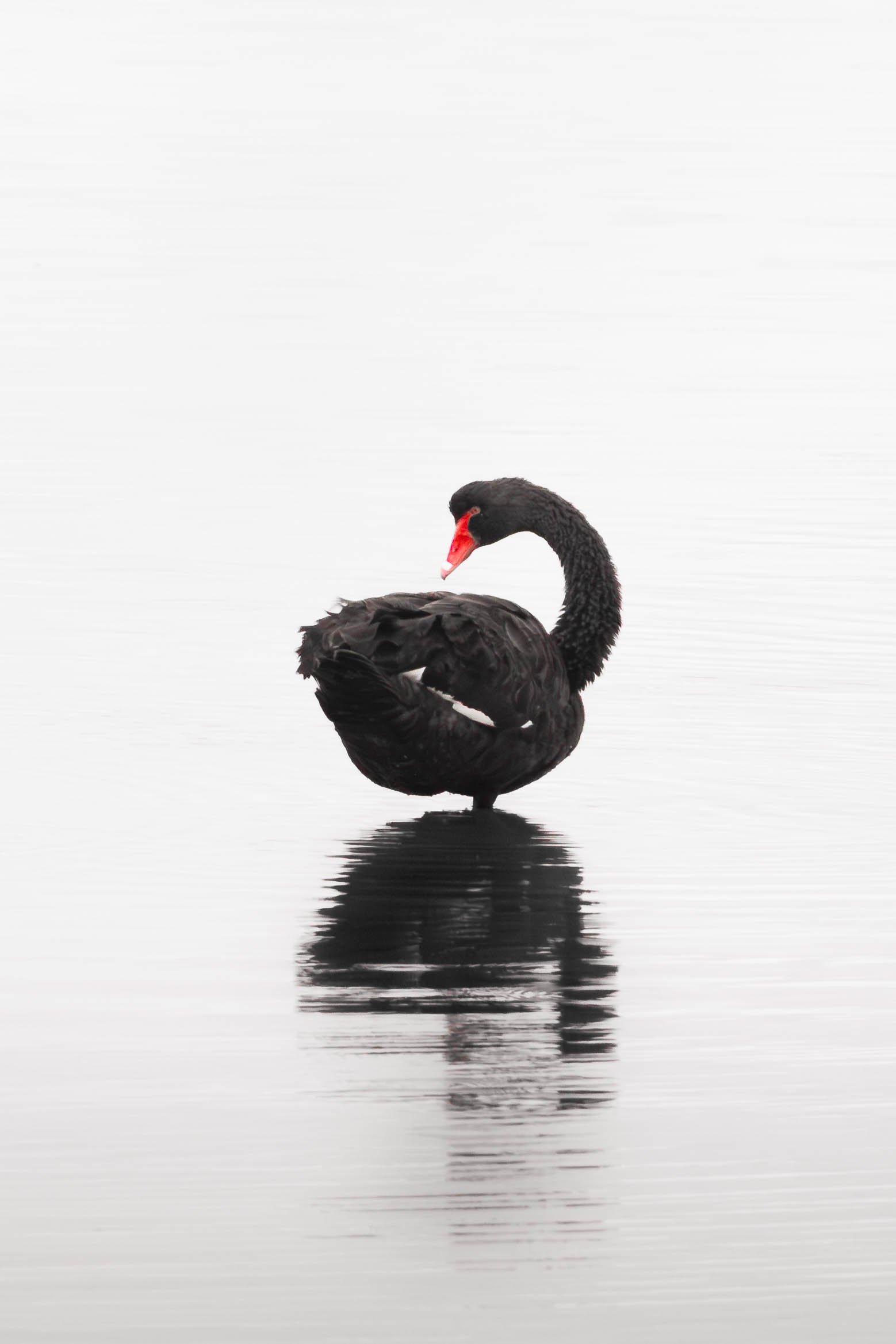
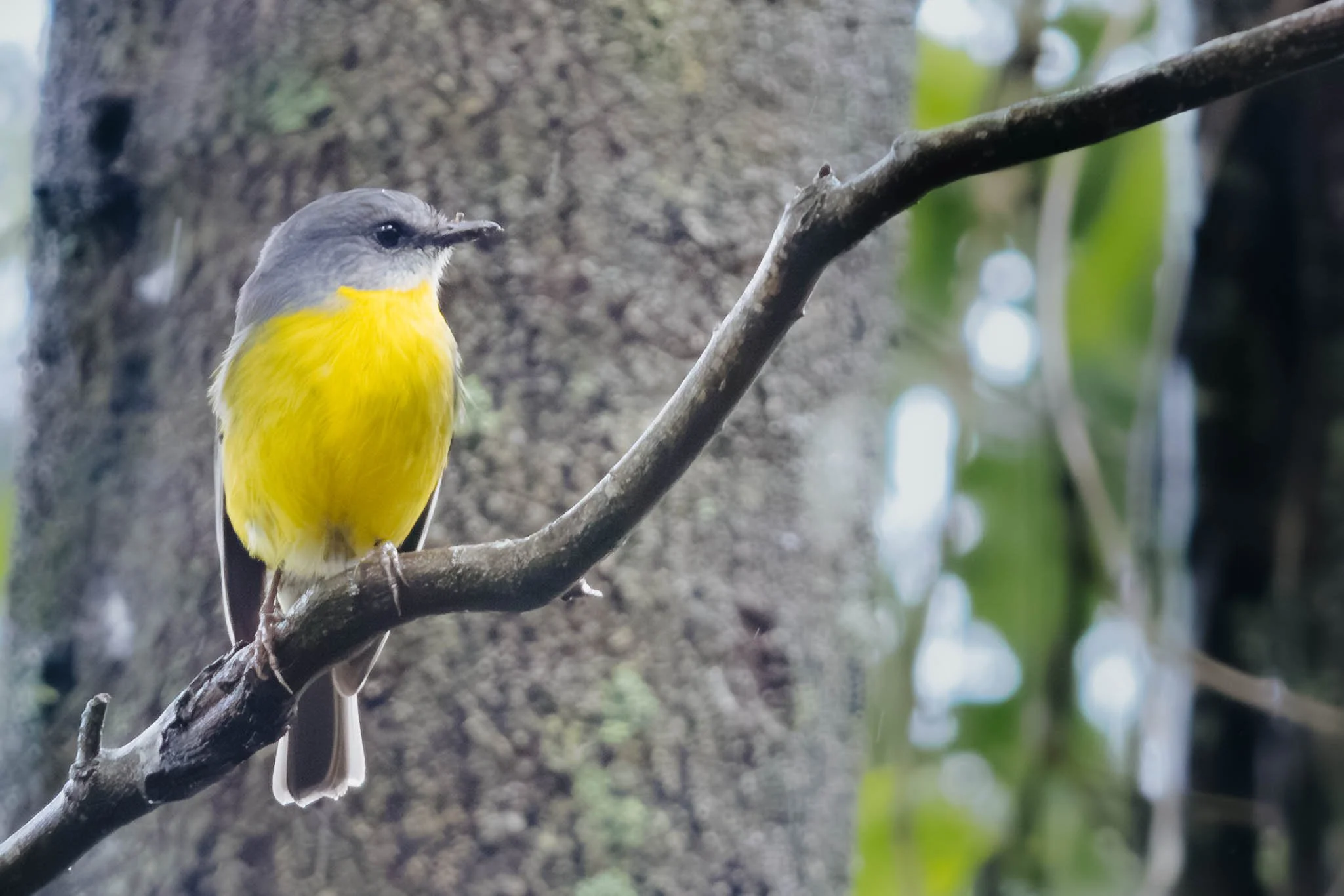
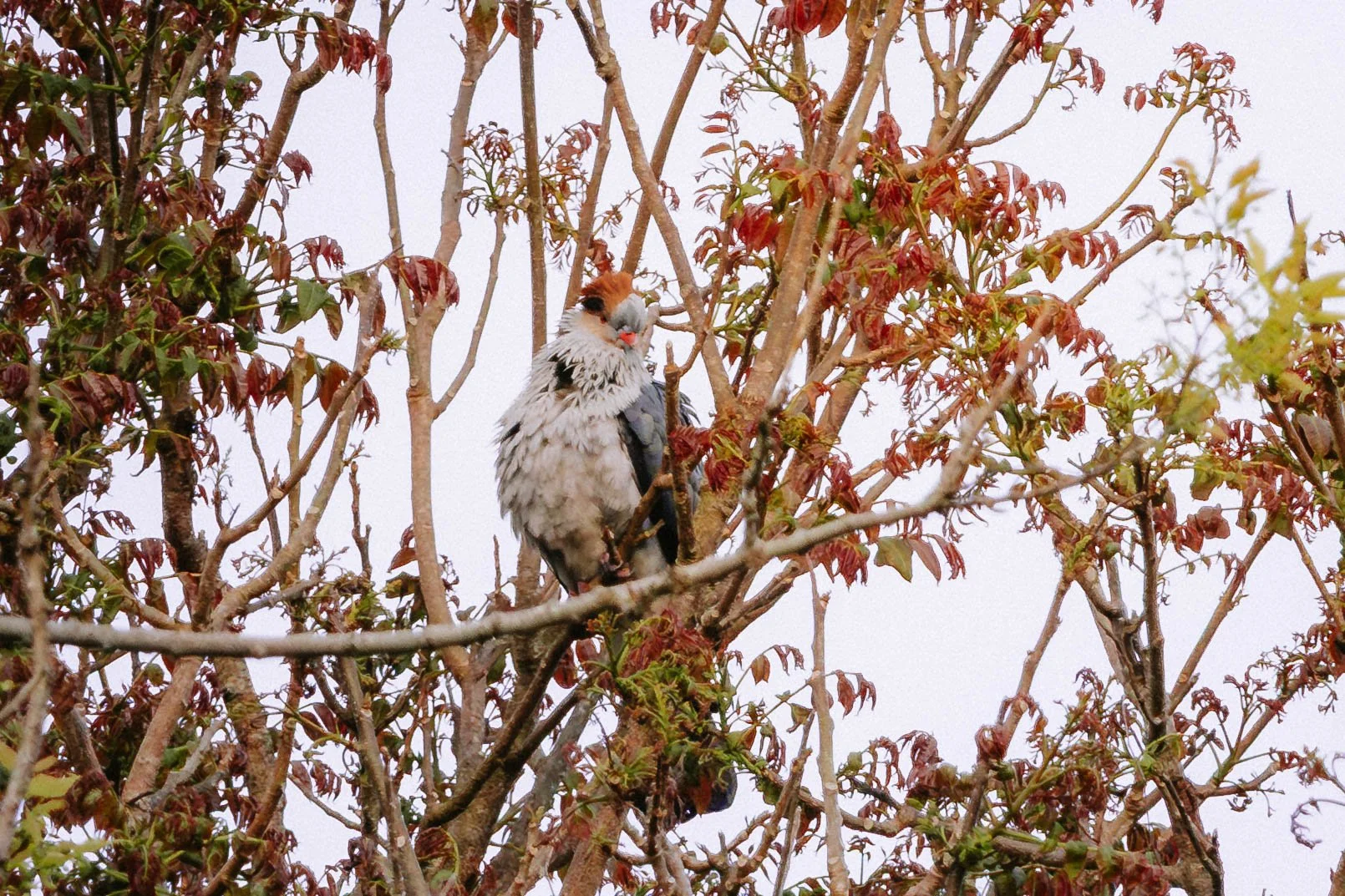
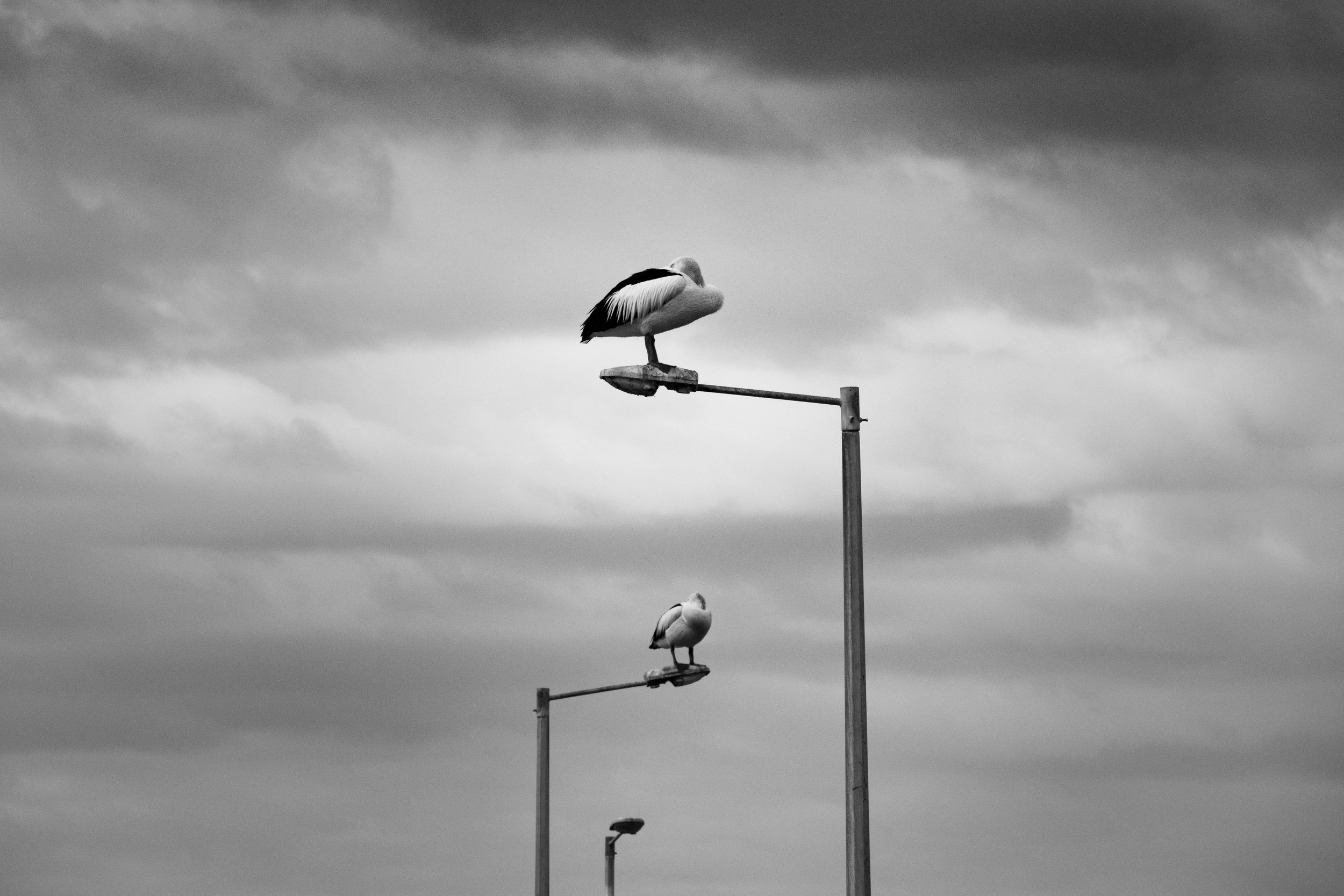
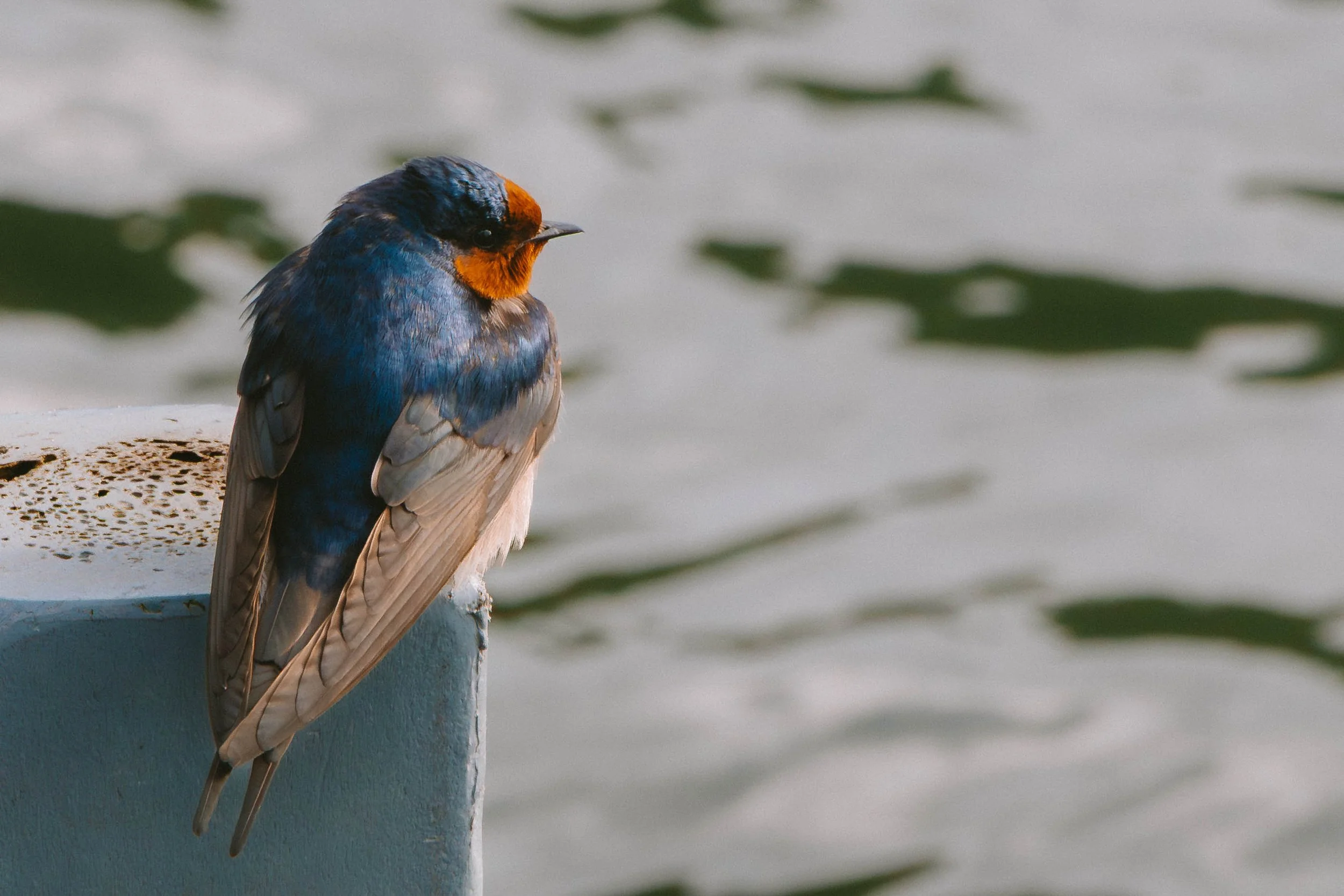
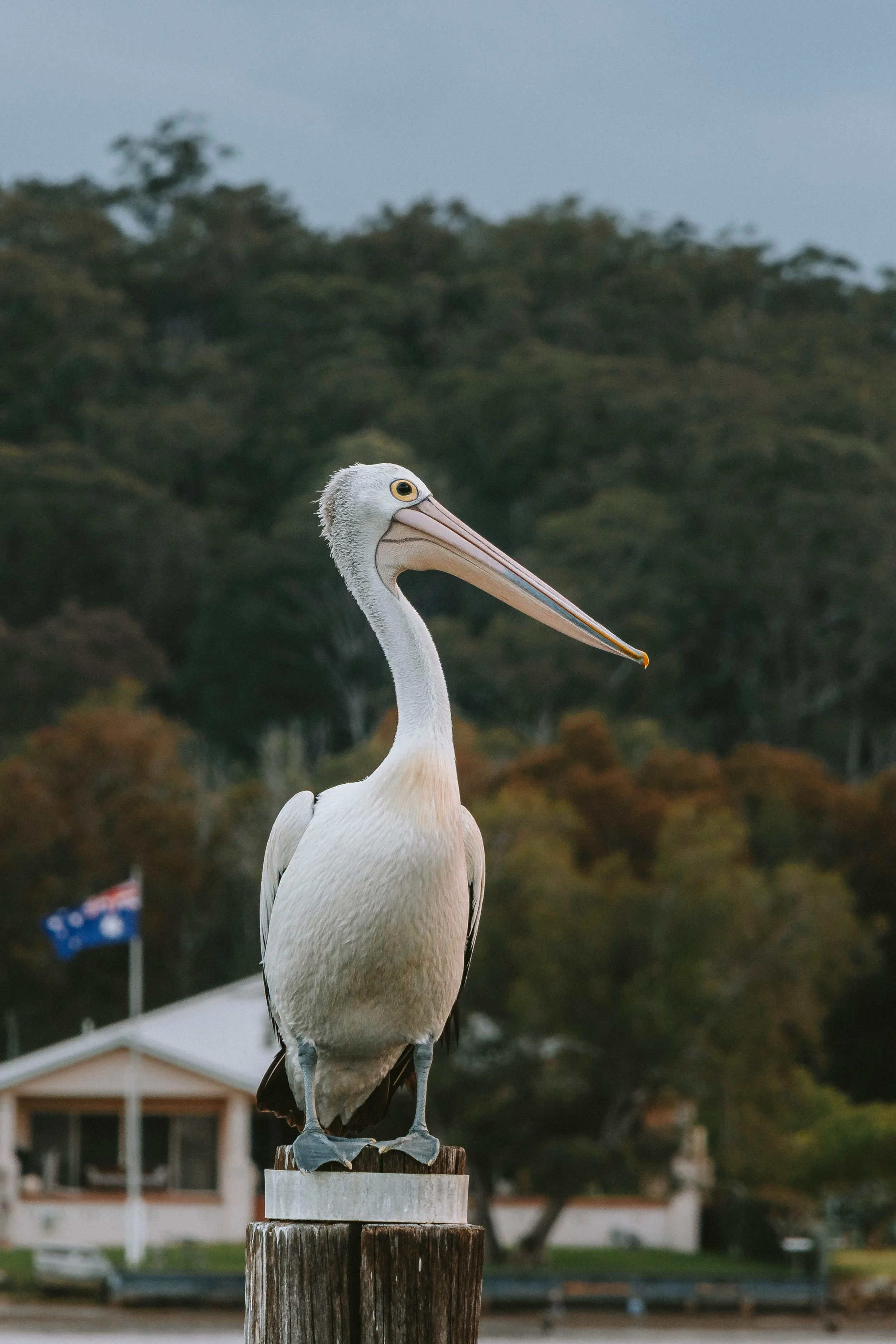
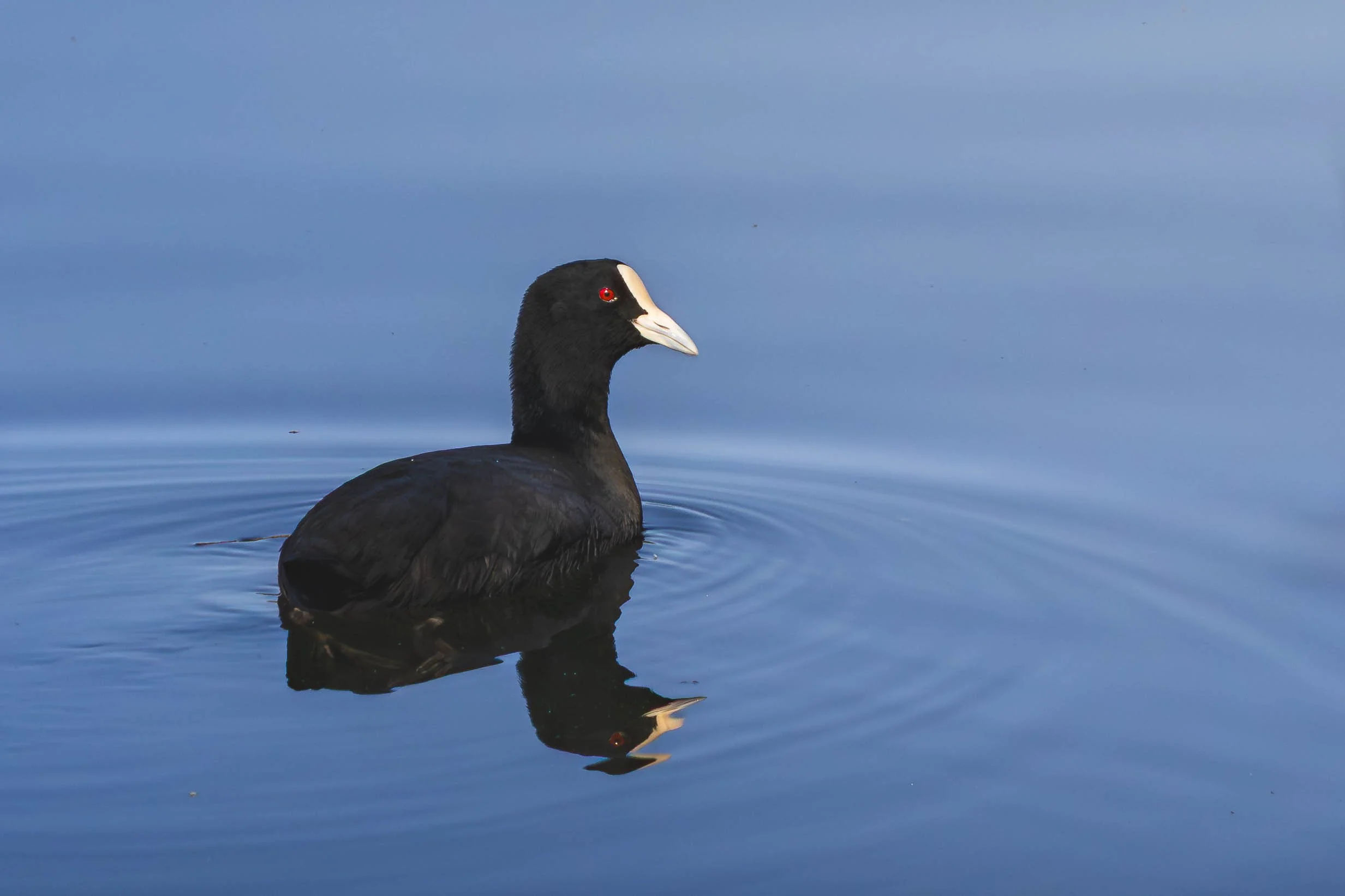
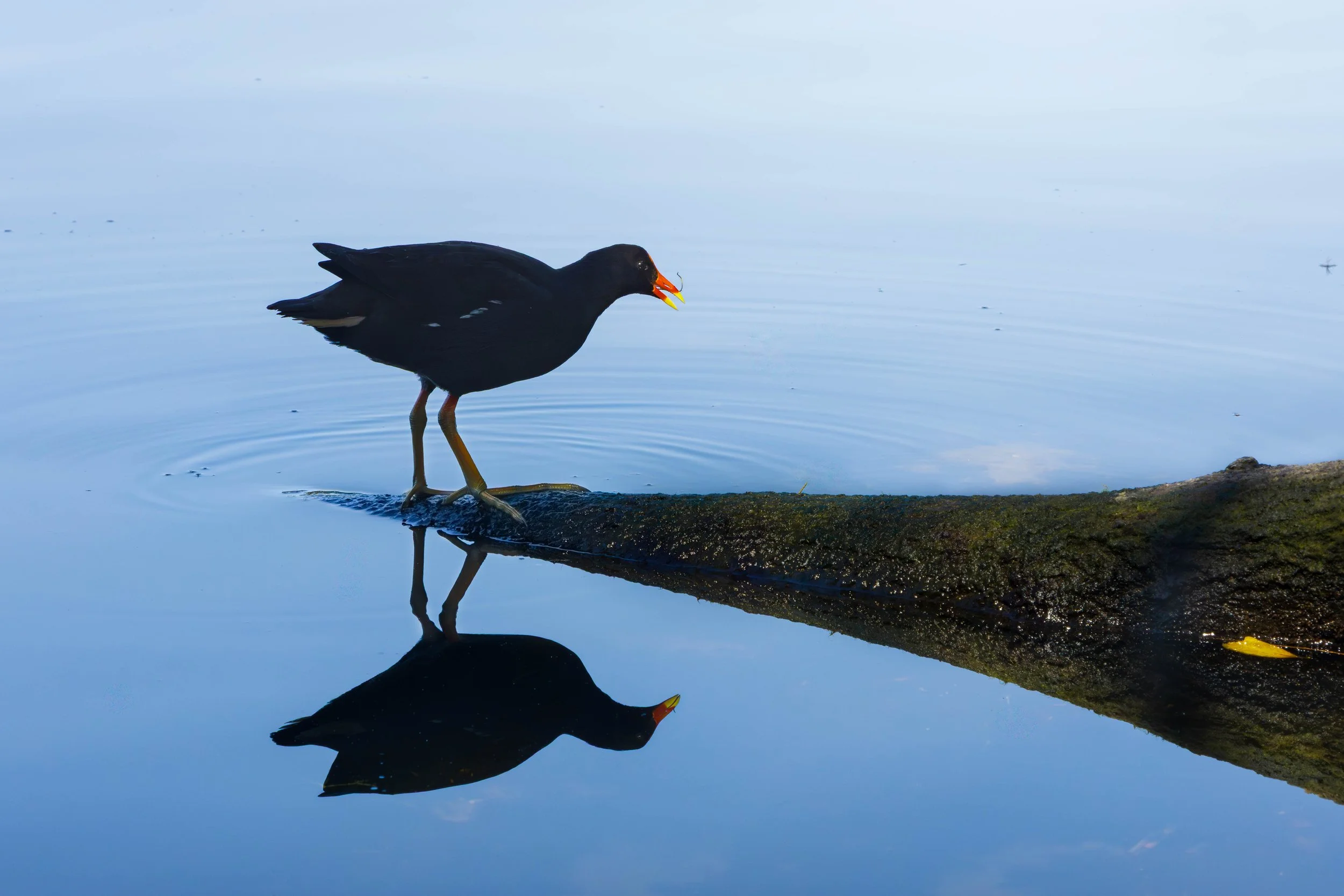
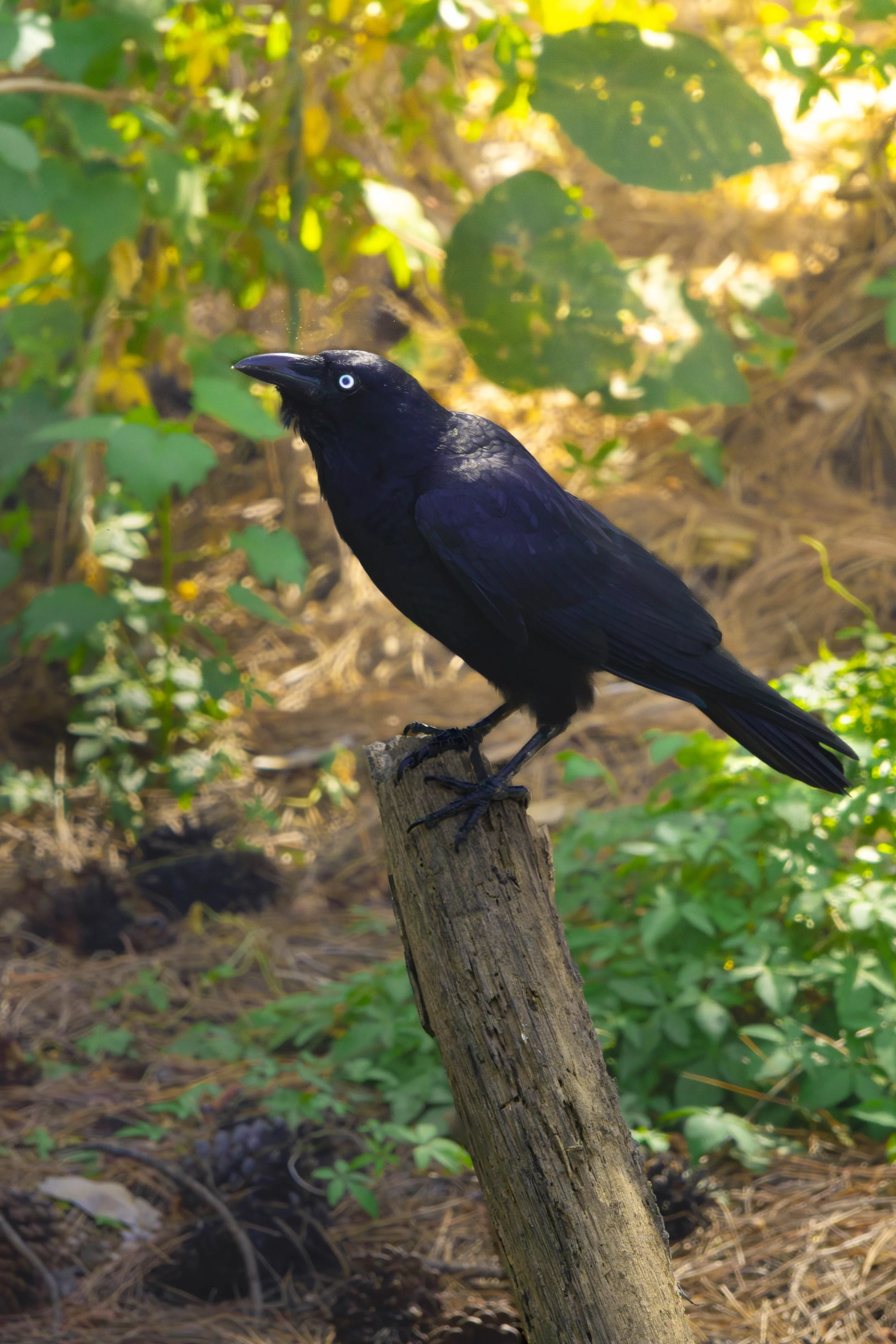
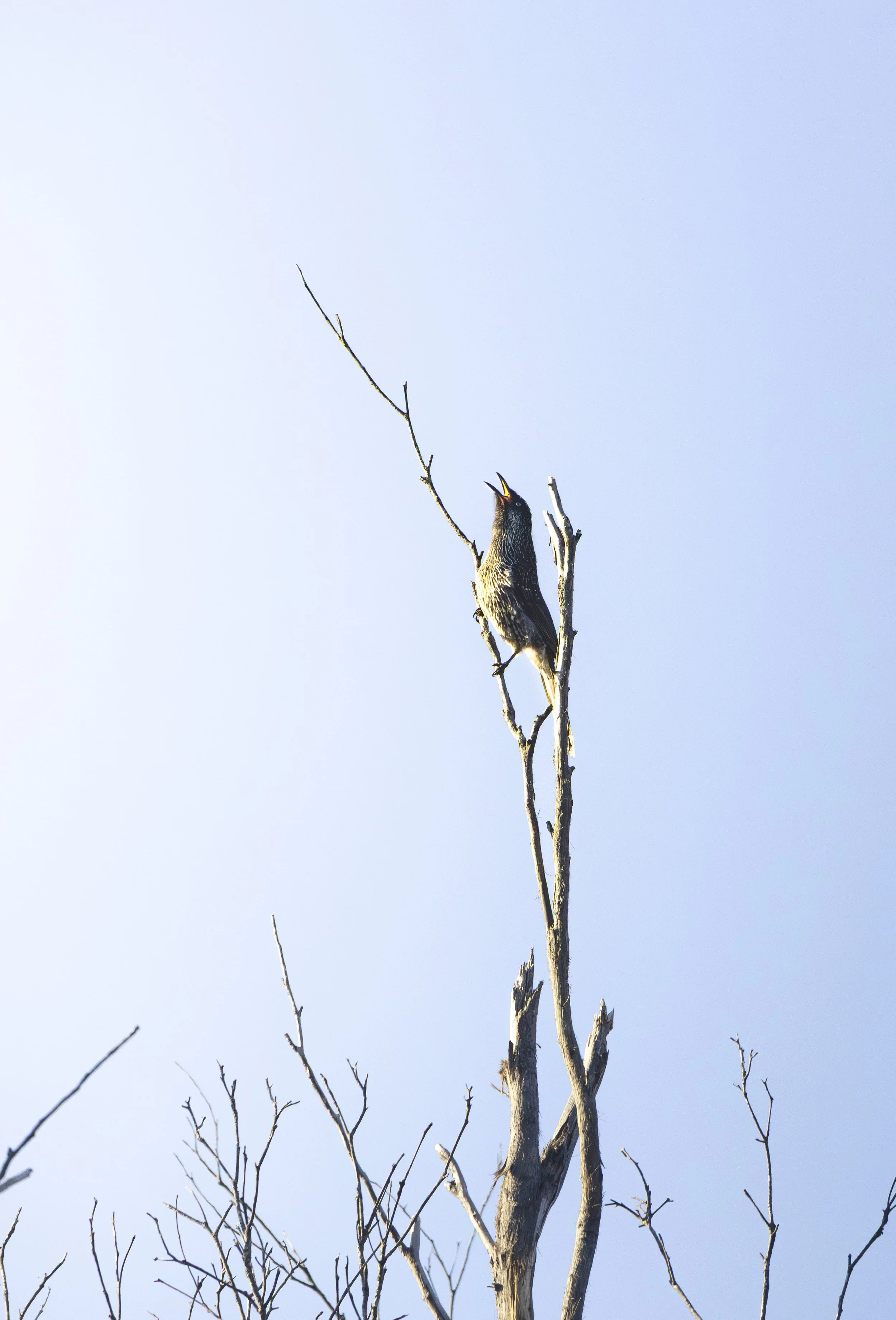
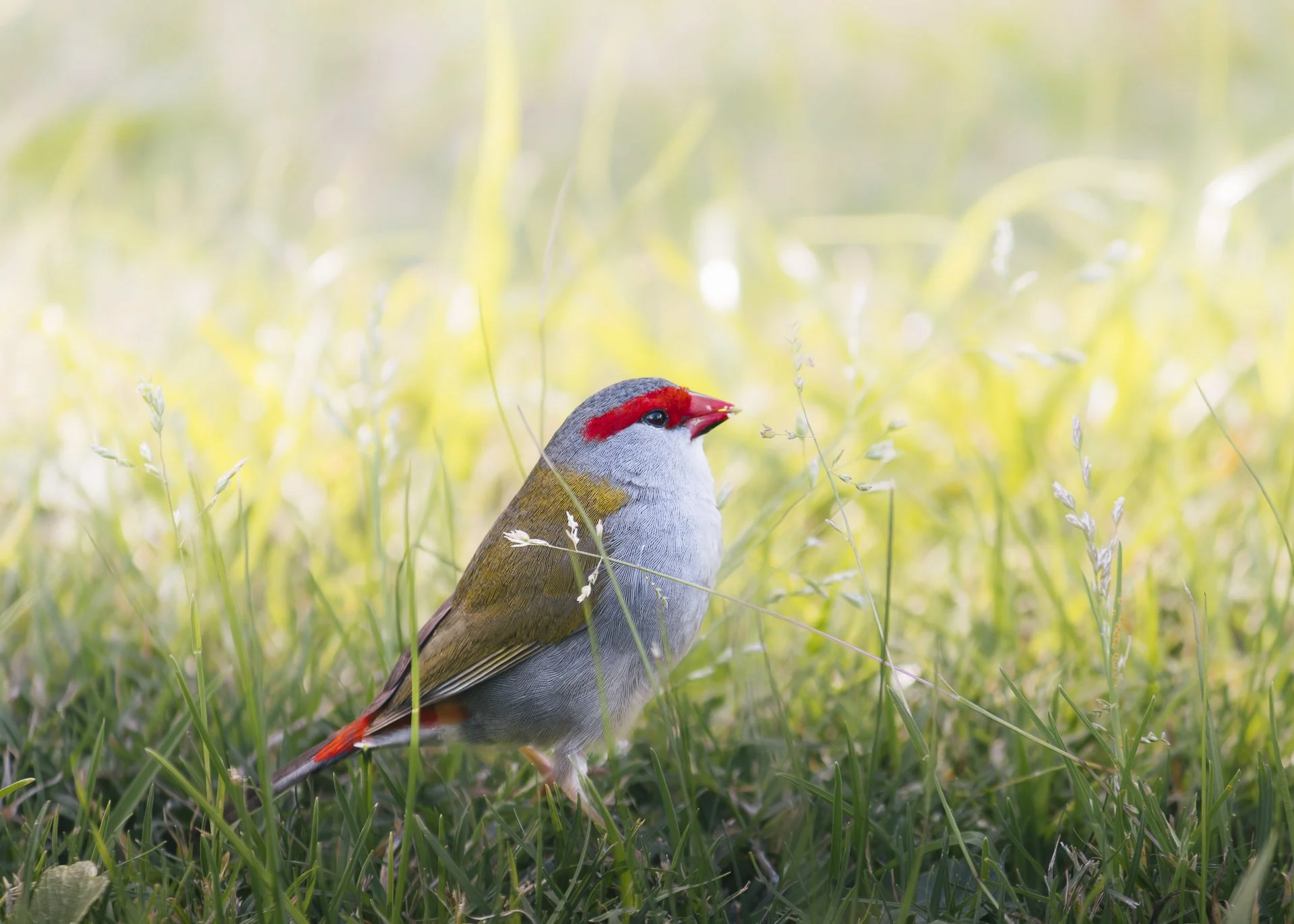
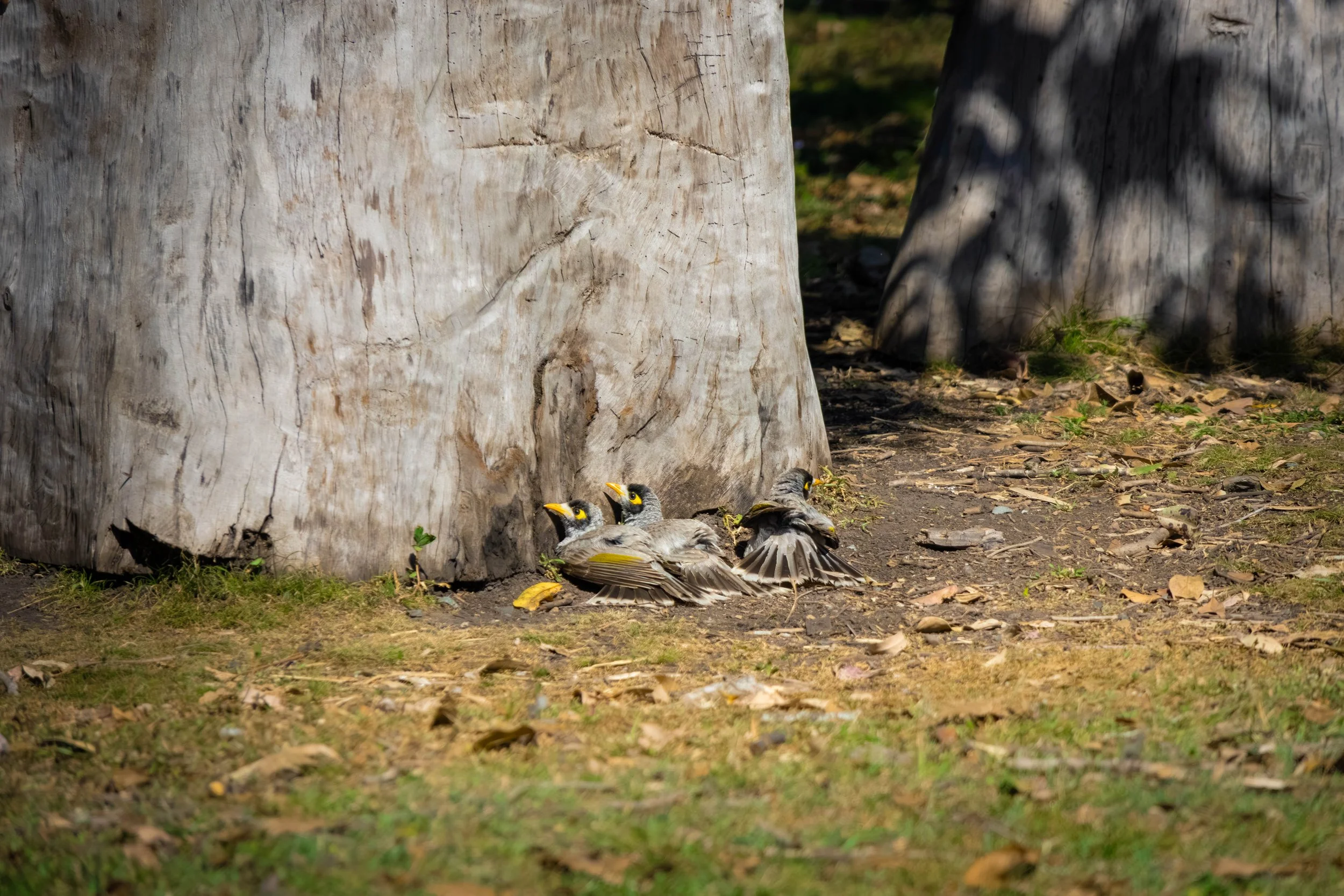
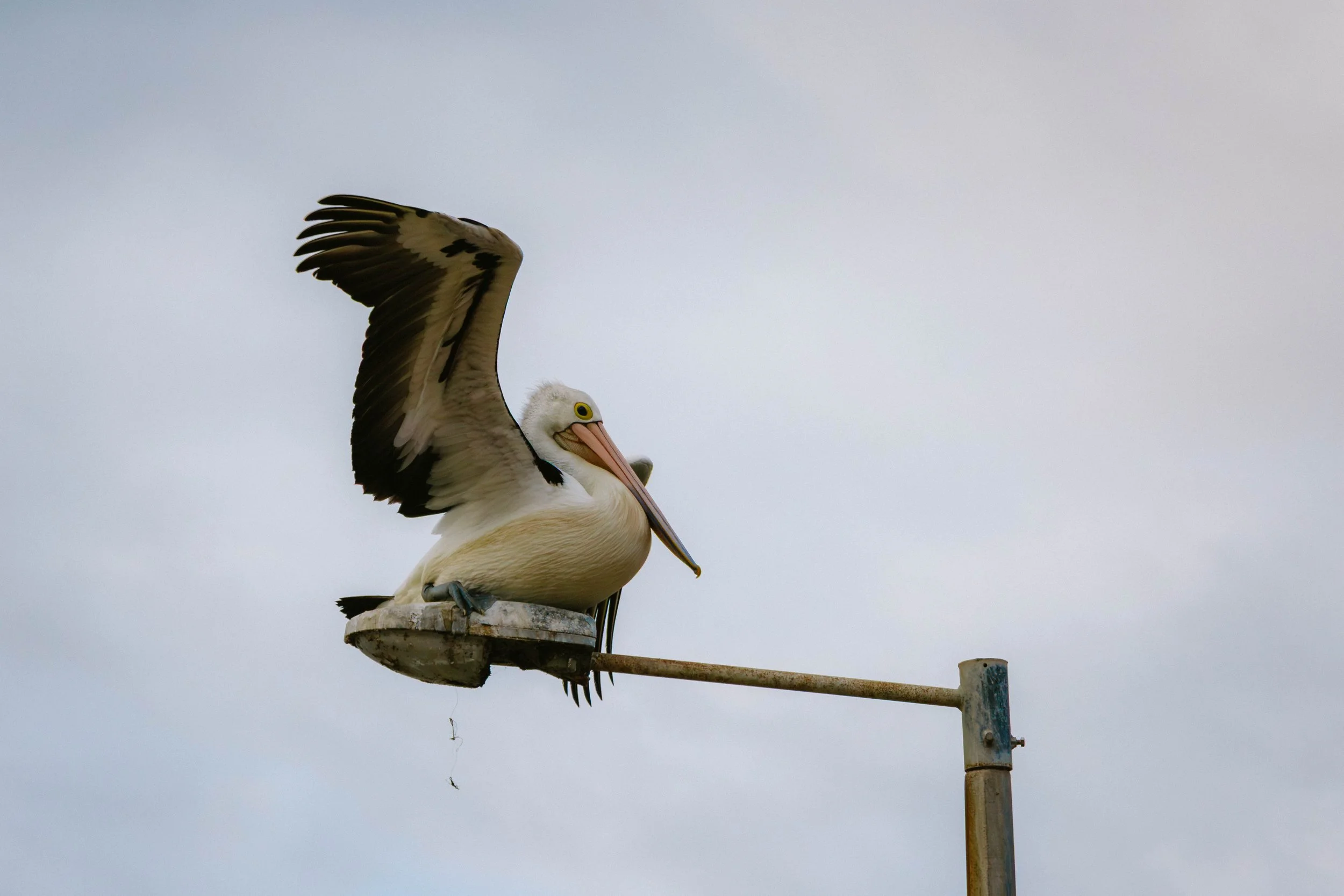
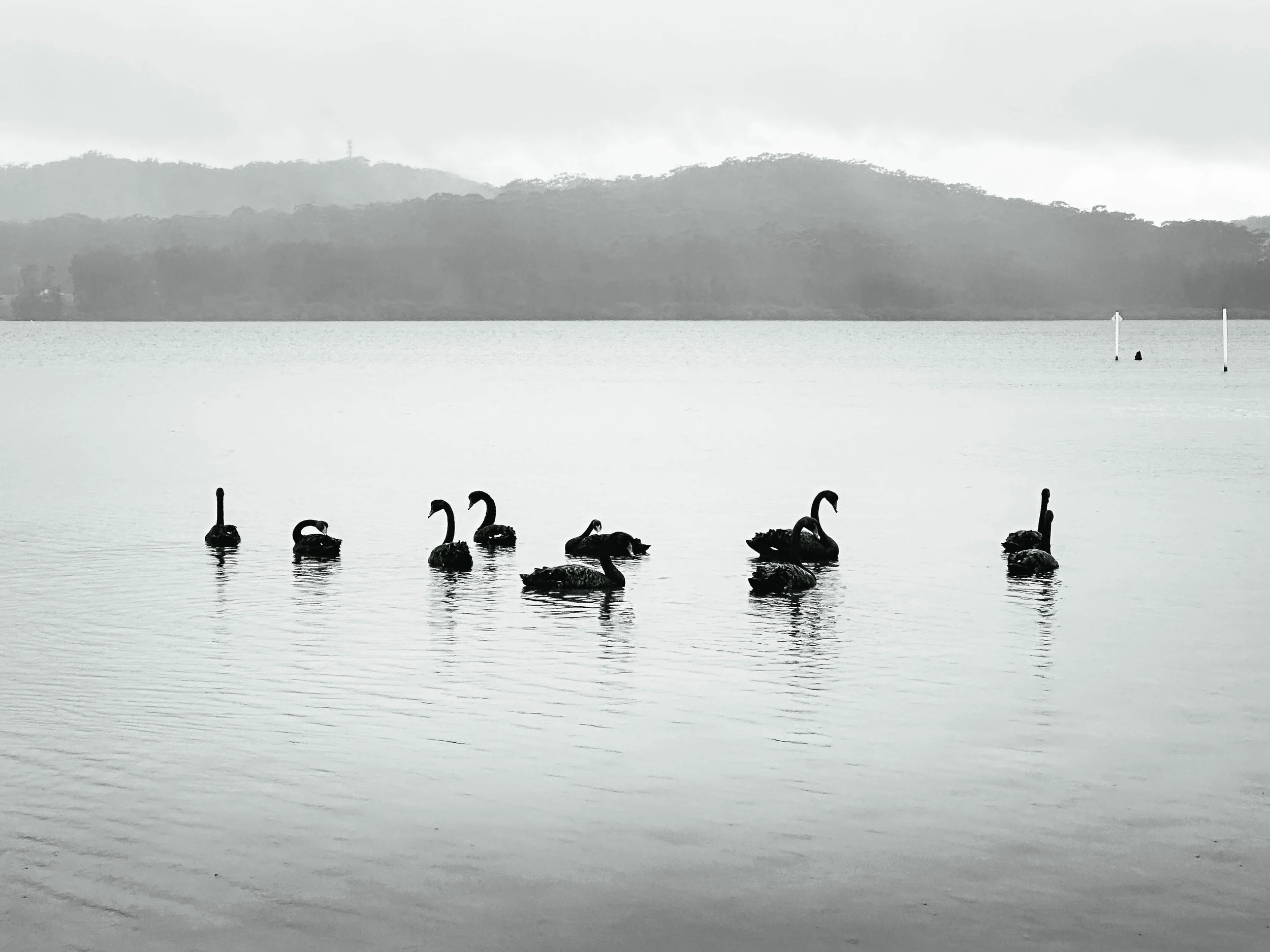
I love to photograph new birds and check the species using the Field Guide to Australian Birds by Simpson & Day.
The more bird photos I have taken, the more I have noticed what makes a ‘better’ bird photo. I think that capturing birds doing ‘interesting’ things really makes a difference. I love the look of having a nice clean background too. It can be tricky but trying to avoid distractions in the background really enhances bird photos. I love learning from Jan Wegener, he has some excellent videos about bird photography.
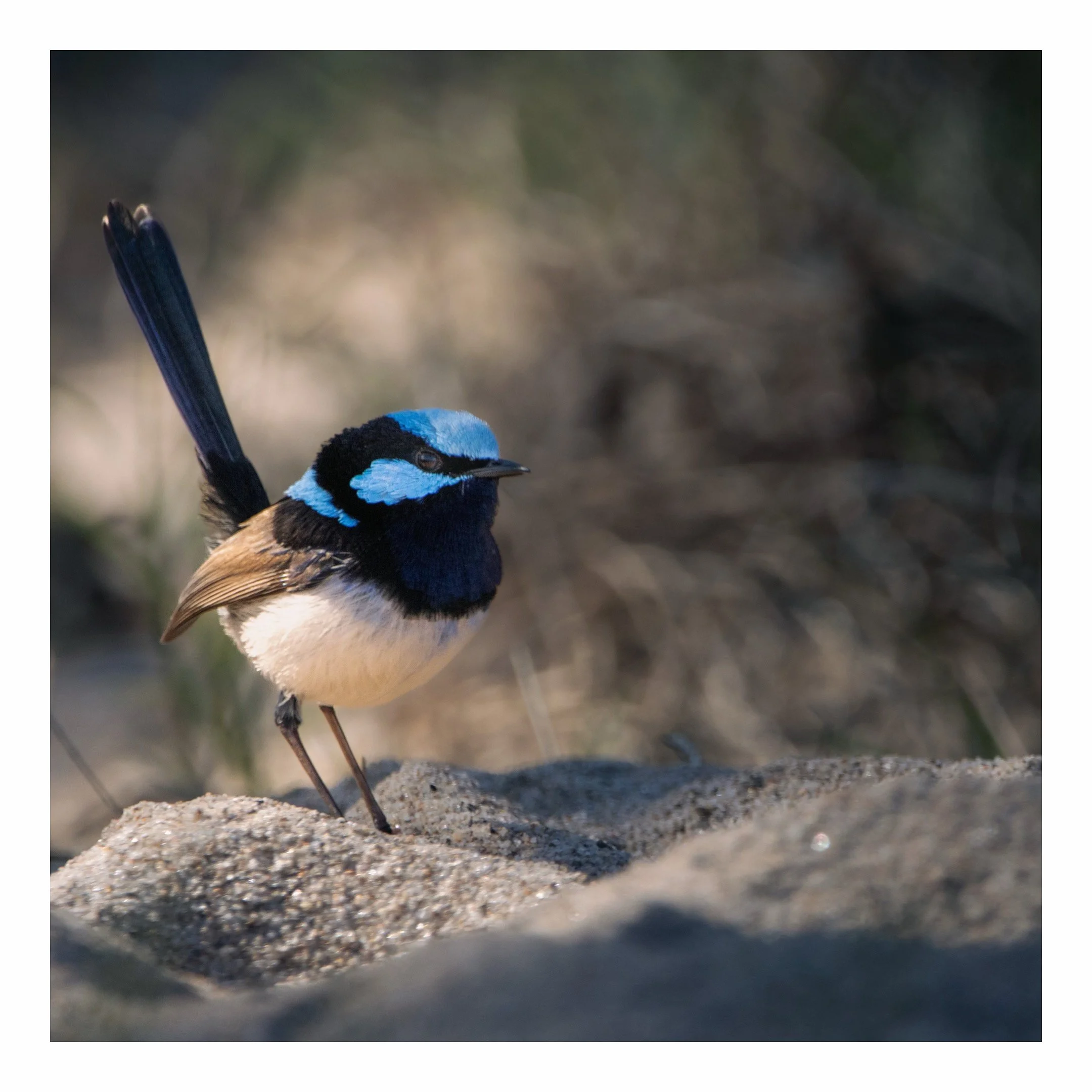
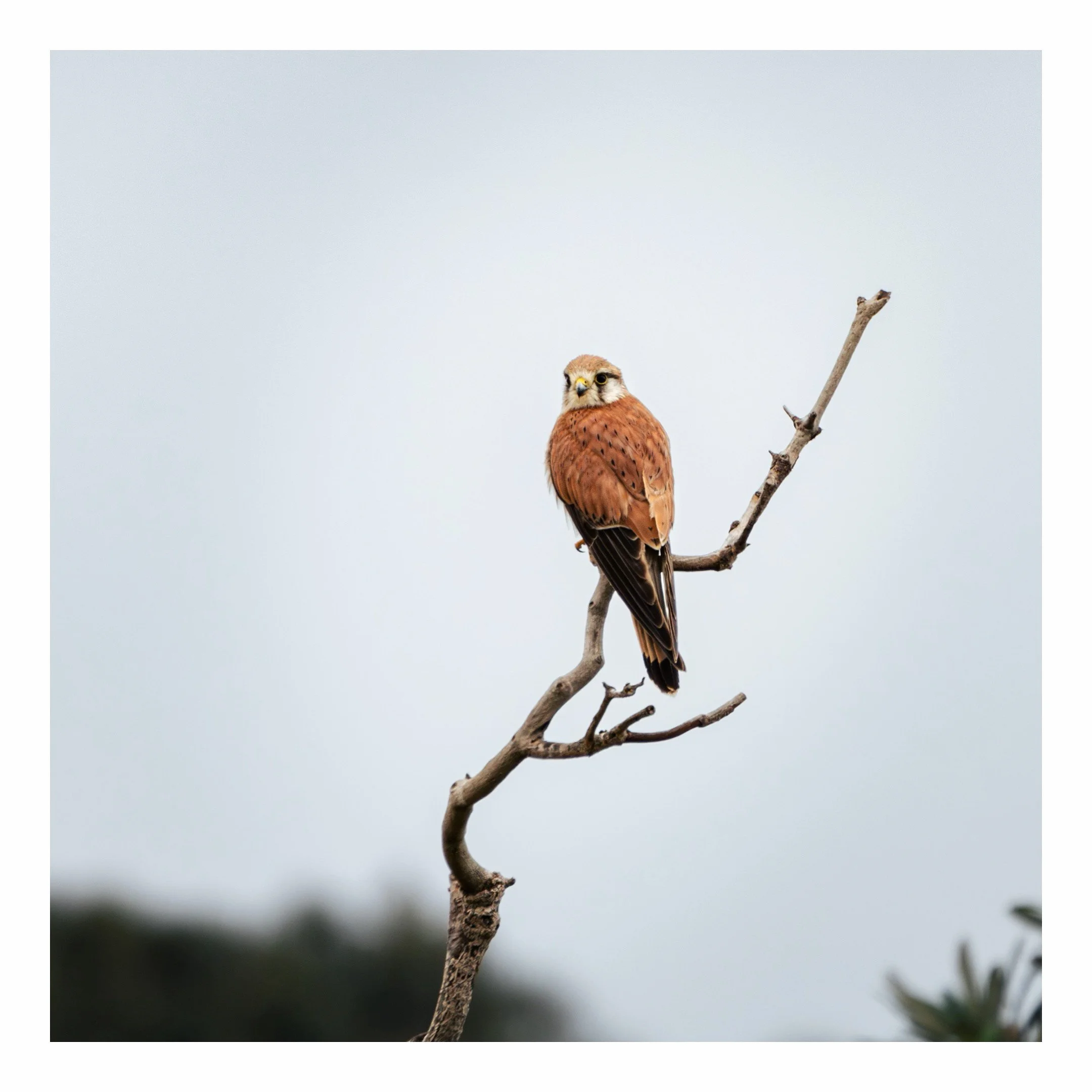
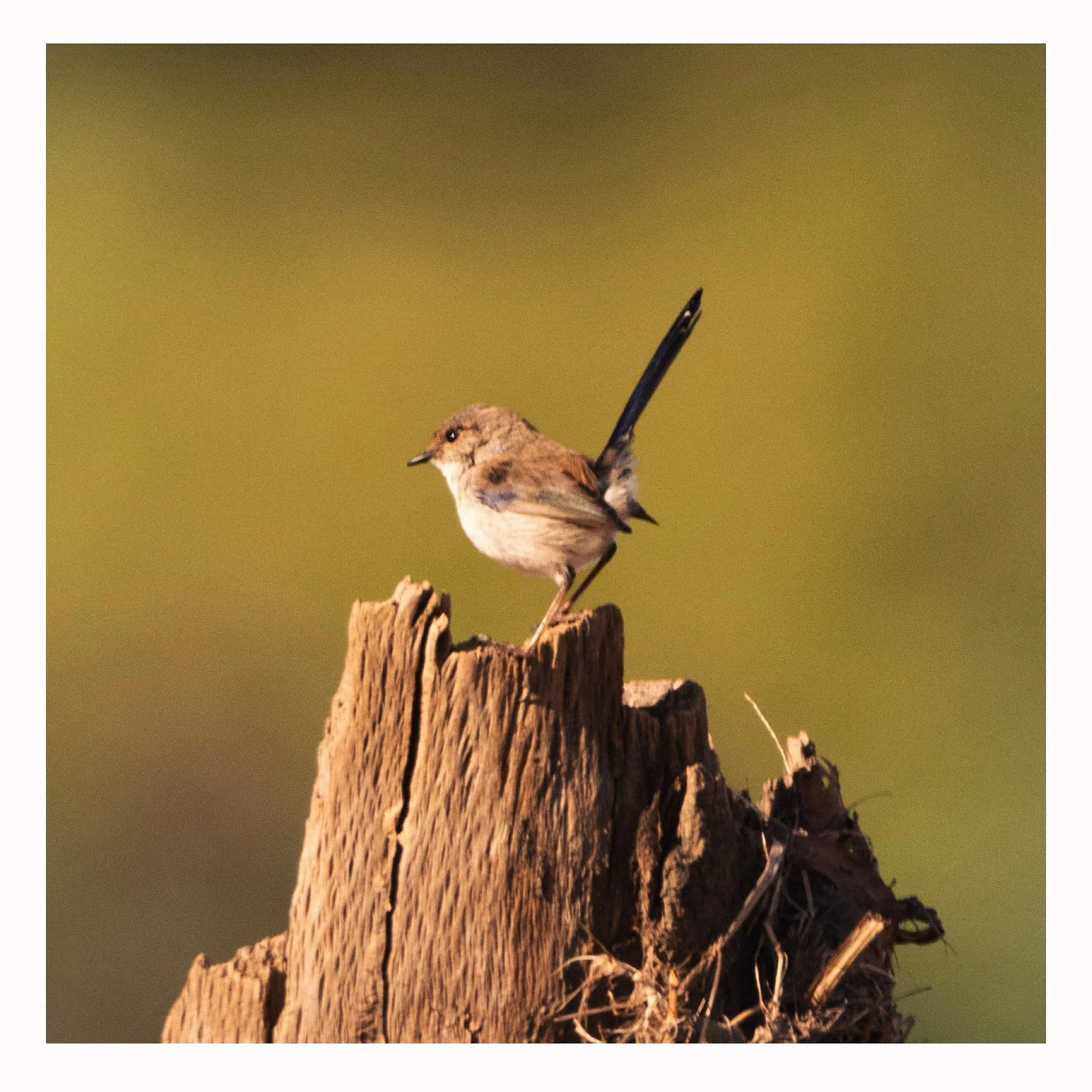
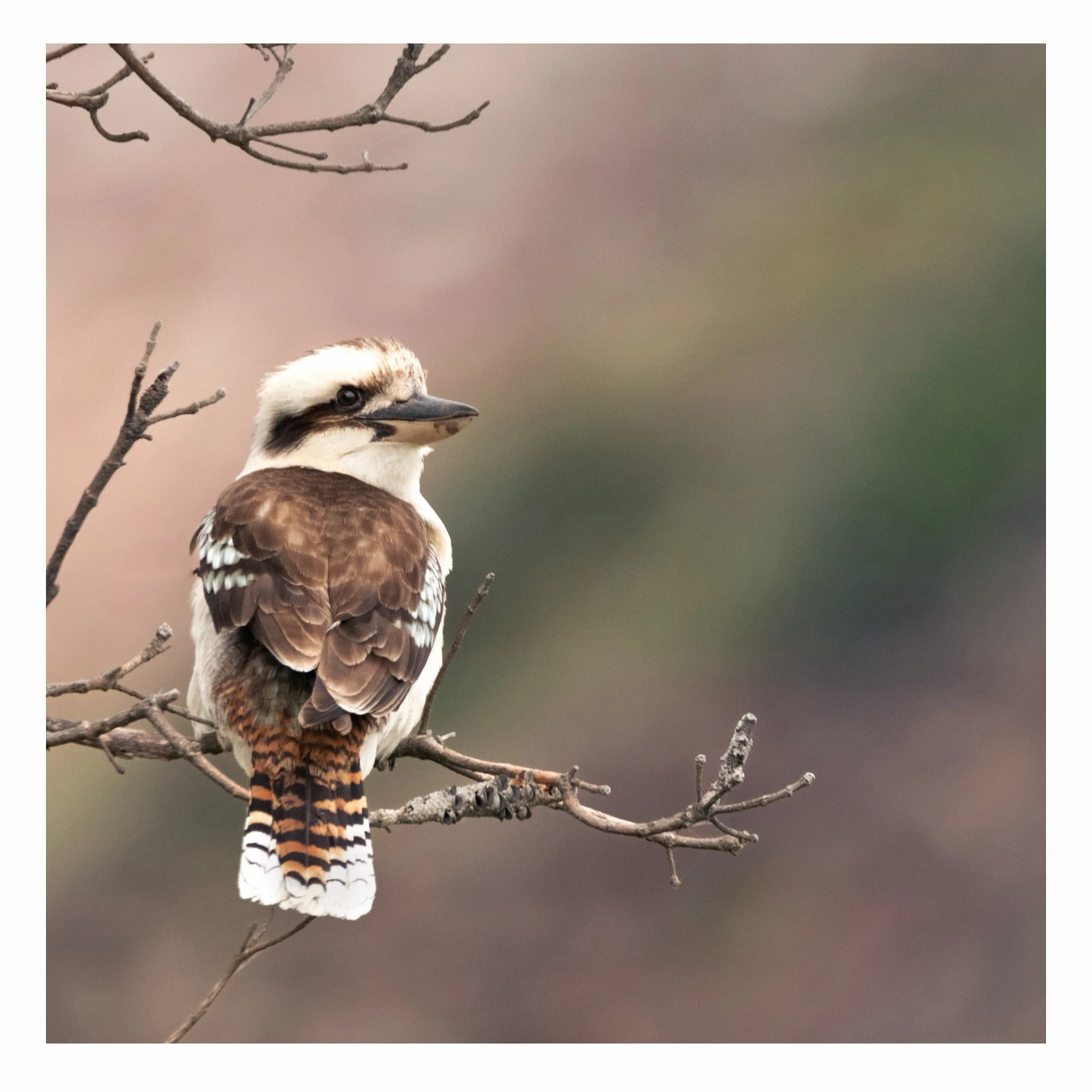
A telephoto lens is essential to close the gap between you and the bird. It can be tricky to get close without disturbing the bird so I like to use longer focal lengths. I love the Canon RF-S 18-150mm lens. It’s small enough to easily carry on a hike but gets a you close, especially with a crop-sensor Canon R7. If I’m not having to hike, I find the Sigma 150-600mm an excellent lens. It can be a little jumpy so patience is key (which is necessary in bird photography anyway!). I got one of these lenses second hand and it’s amazing.
These lenses have long focal lengths which are more subject to motion blur. So it’s important to increase your shutter speed - Try at least 1/focal length. E.g. Focal length is 400mm, shoot above 1/400 shutter speed. This may mean you need to up your ISO.
The final step is patience! It takes patience to find birds, capture them in flight and get a clear shot of some of the tiny, fast species. So enjoy the process of being outdoors, witnessing some amazing wildlife and learning to move fast to capture a great shot.
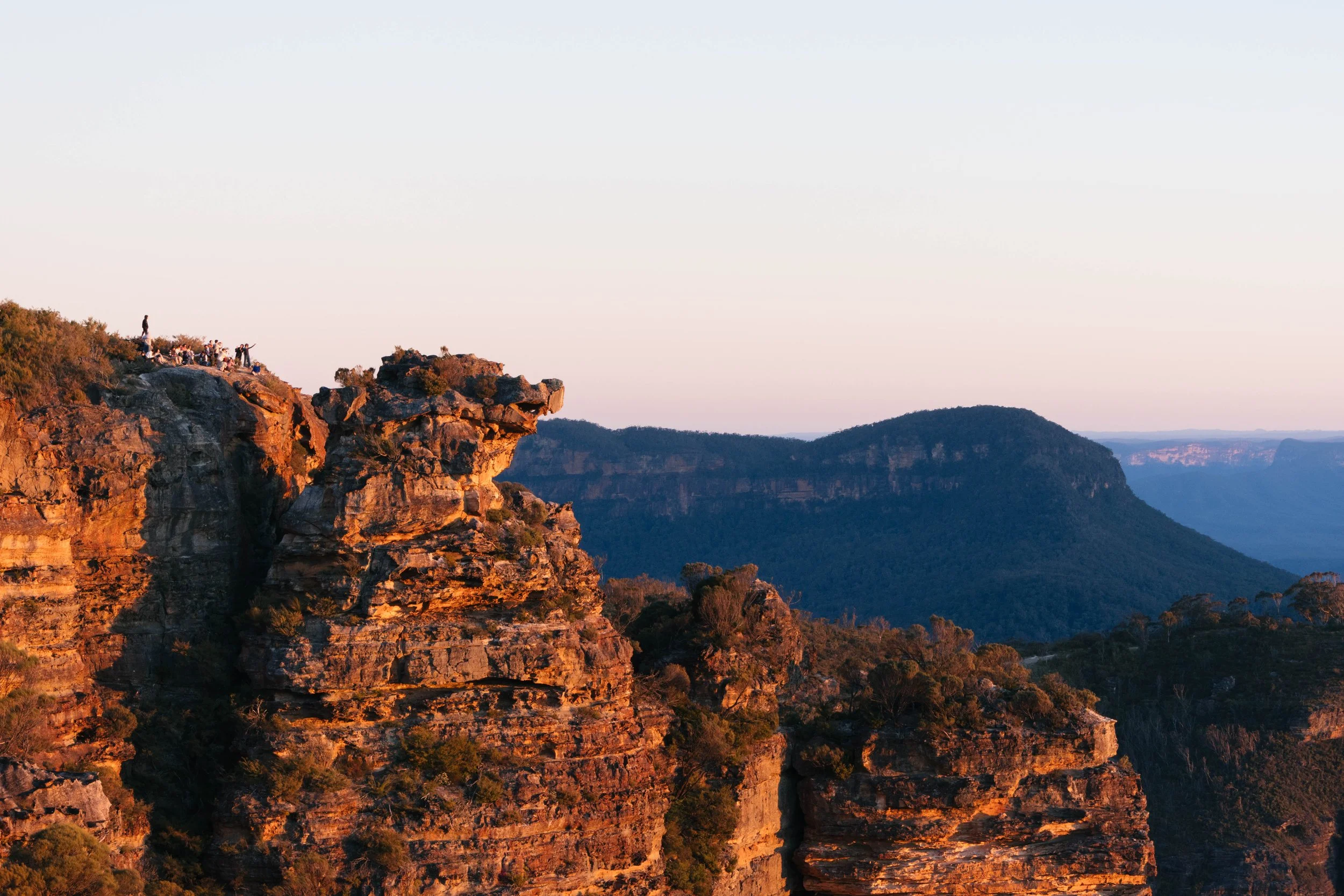
Get outside.